Original short film · In production

Dreamer's
Guide

Producer and creator: Maygen Tarte

← Back to Visual Effects
“A girl awakens in a surreal dreamworld, guided by strange signs and a voice. As she follows the guides, the dream unravels into chaos. Did she break out—or is she still trapped in the dream?”

The beginning of the masterpiece

A surreal psychological fantasy, built frame by frame.

Hi, I'm Maygen, and this is the official production story for my short film The Dreamer's Guide. The project follows a girl trapped in shifting dreamworlds, guided by a mysterious figure who appears to help her—but may be leading her deeper into fear.

The story explores anxiety, confusion, and identity through dream logic, symbolic environments, and unsettling transformations. I'm documenting the full process, from storyboards and planning to filming, character work, environments, and visual effects.

Current workCharacter modeling · Texturing · Matte painting · Environments · VFXRender time6.53 minutes per frameCreative goalEmotional, surreal, and visually meaningful dream scenes

Behind the process

Story, pacing, and production decisions.

These notes document how the film is changing as I test ideas, strengthen the dream logic, and choose the best way to bring each visual to life.

Learning what the drawings really need to do.

I made a storyboard video for The Dreamer’s Guide, and honestly, I started off strong. The camera angles I chose felt correct and the story was flowing, but I could tell something was missing. Even though the shots worked, they weren’t always interesting enough visually.

I also decided to remove the classroom scene completely. The storyboard video was getting too long, and that scene felt off. It started to feel cliché, and it didn’t match the dreamlike tone I want for this film.

One of the hardest parts was drawing the storyboards myself. I kept erasing over and over every time I drew. When I looked back at the finished boards, I realized that constantly redrawing wasn’t helping, and it honestly wasn’t a good idea for my workflow.

Near the end of my storyboard, I realized the drawings don’t need to be perfect. They need to clearly show the shot, the camera angle, and the emotion of the moment.
Making every scene earn its place.

I’ve been working on the script for The Dreamer’s Guide, and this stage has been all about tightening the story and making sure every scene earns its place. The script has gone through changes as I started seeing what feels strong, what feels slow, and what doesn’t match the tone.

The biggest focus right now is keeping the dream progression smooth and intentional. I want it to feel surreal and unsettling, but still controlled, not messy. The story needs to move with purpose, even when reality starts breaking apart.

I’m also paying attention to pacing. The script can’t be too long, and it can’t waste time. Every scene needs to either push the character forward, raise the tension, or deepen the dream world.

Designing around what I can execute well.

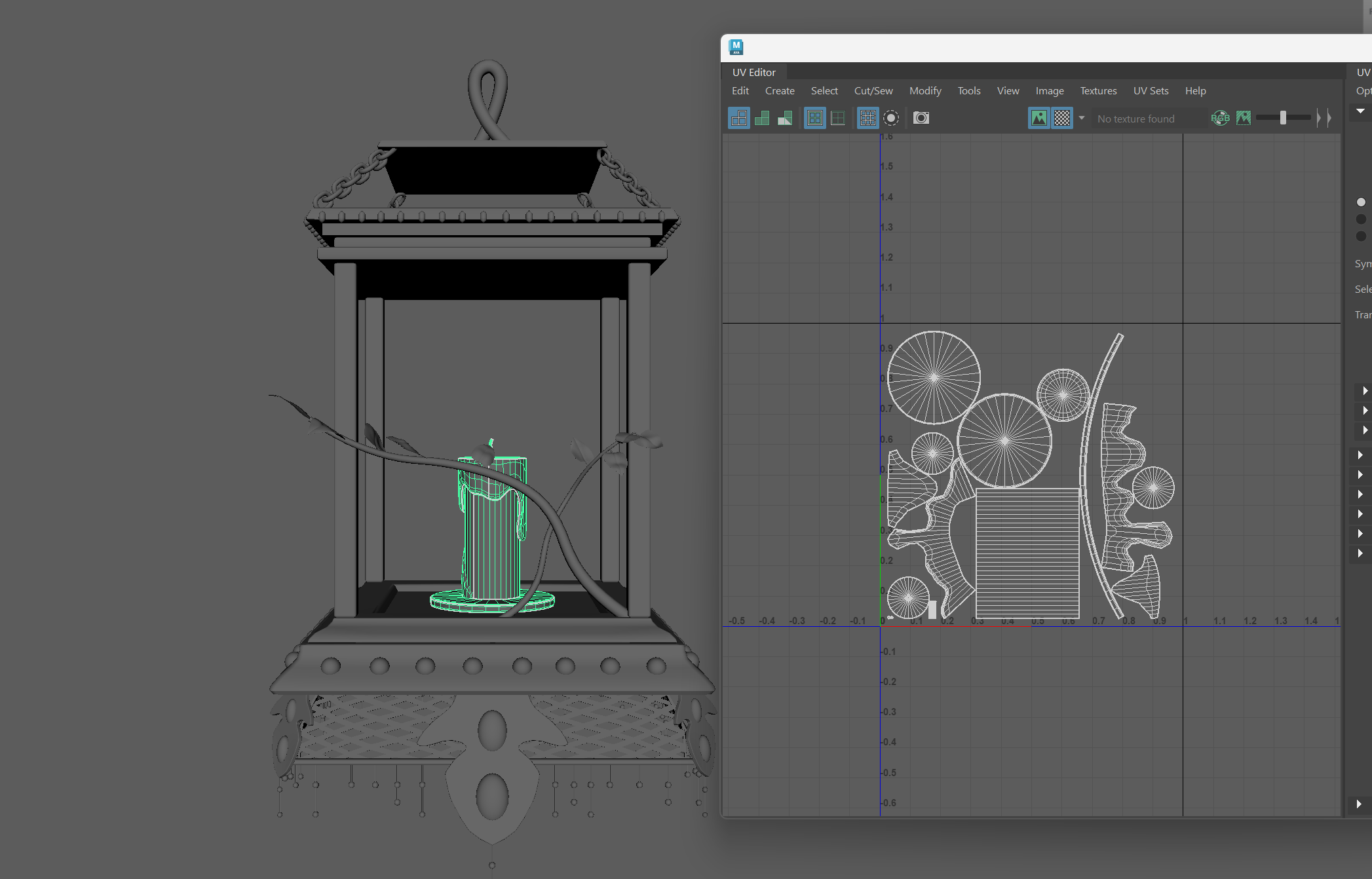
The concept designs for the heads and lanterns in The Dreamer’s Guide are some of the most important visuals in the film, so I wanted to make sure they feel creepy, surreal, and memorable.

Originally, the plan for the floating heads was to have someone on the team 3D model them. But once I really thought about the time it would take, I realized it wasn’t realistic for our schedule. Modeling, texturing, lighting, and rendering would take too long, and I don’t want the production to slow down because of one idea.

So instead, I’m switching the approach. I’m going to comp the heads using an actor and a green screen. This will let me get the look I want faster, and it will still feel grounded and creepy because it’s coming from something real.

For the lanterns, I want them to feel like they belong in the dream world, not like regular props. They should feel like they’re watching her, leading her, or trapping her. The heads inside them are meant to feel unsettling, like the dream is turning into something personal and threatening.

This update honestly made the concept stronger, because now I’m designing around what I can actually execute well.

The people behind the dream

Meet the Team

Every strange character, lantern, prop, and performance is shaped by the artists and actors helping bring The Dreamer's Guide to life.

Creator, Producer & VFX Generalist

Maygen Tarte

Leading the film's creative direction, production, and visual-effects work.

Lantern Modeler

Ivy Yufei Shaoi

Modeling the surreal lanterns that guide and unsettle the dreamer.

Prop Modeler

Shiva Kumar B

Building several of the props that help shape the film's dream world.

Actress

Ta'Kara Mitchell

Bringing the central on-screen performance to life throughout the film.

Character Modeler & Rigger

Rebekah Harshaw

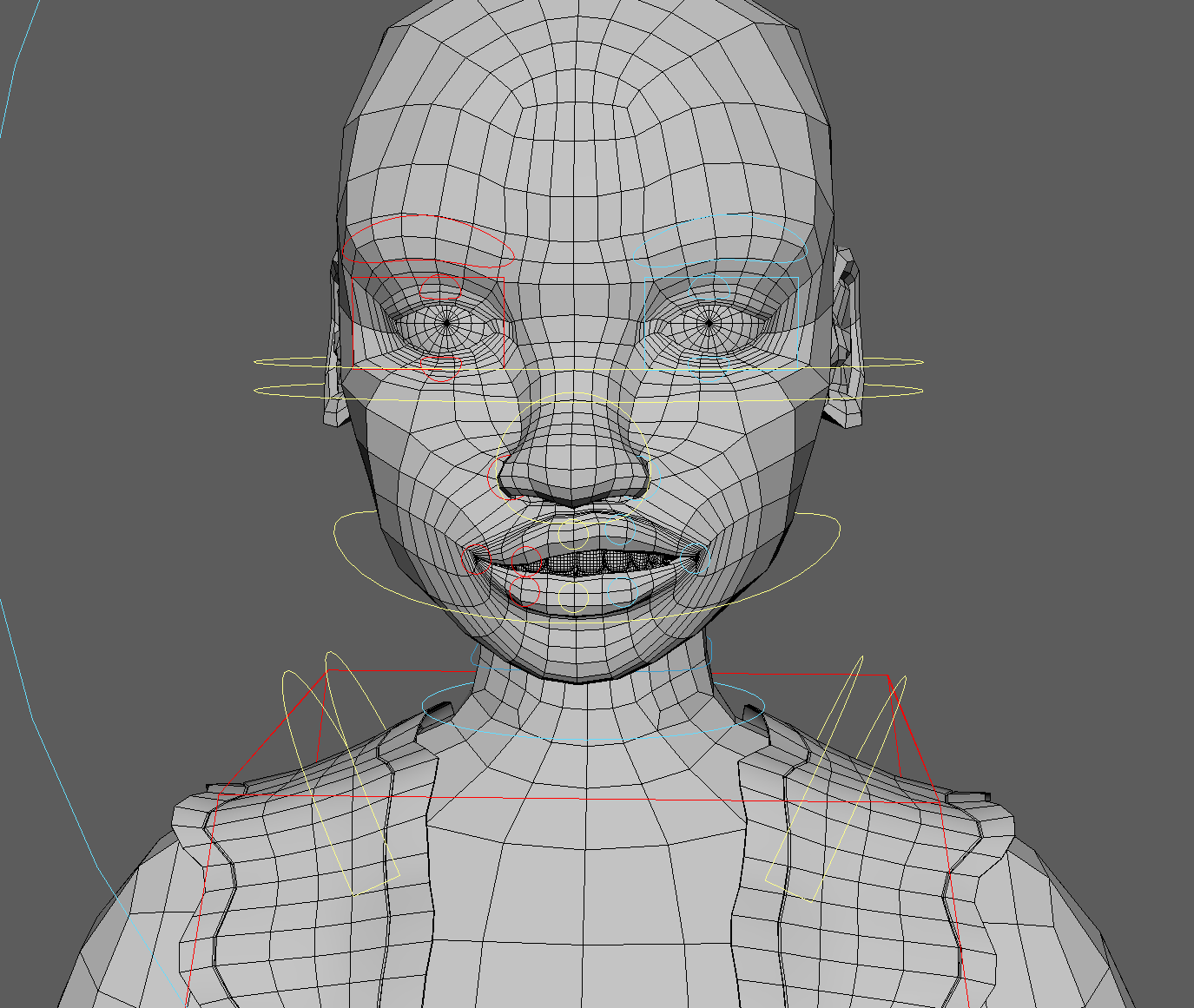
Developing and rigging characters for animation and performance.

Character Modeler

Oscar Stec

Creating character models that support the film's surreal visual language.

Stand-in Actress

Luna Shipley

Performed the role first during early filming tests to help plan how the main actress would move, be directed, and appear on camera.

MoCap Actress & Actor

Emma Parker & Joe Marinelli

Providing motion-capture performances for the film's characters.

Visual development notes

Building meaning into every design.

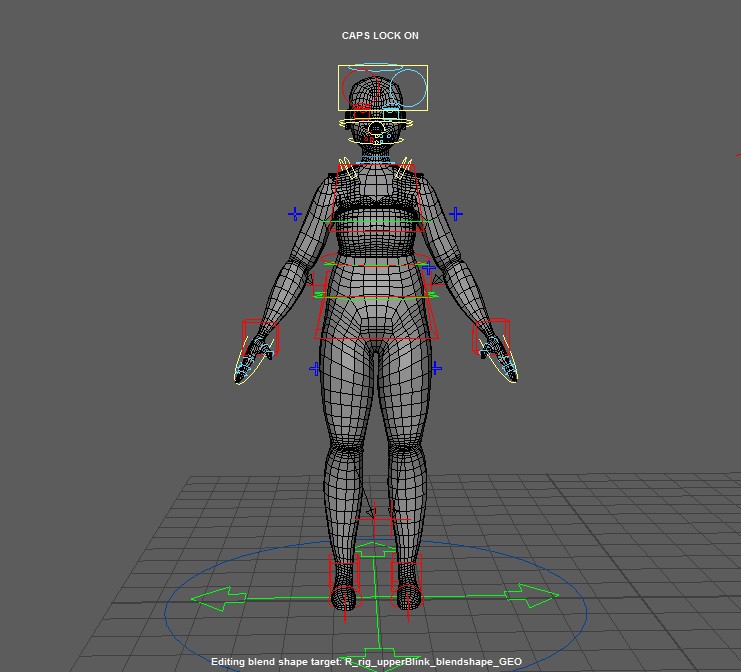
Full-body character model and rig controls

01 / Character model

A new role for the character model.

The character model was originally going to appear during the transitions in and out of the dreamlike parts of the film. Its new purpose will be within the matte painting.

This shot feels like a moment caught between reality and something softer, almost dreamlike. The light behind her creates a glow that makes it seem as though she is stepping out of another space, not just a room. The softness and floating particles make the image feel more like a memory than something real.

There is a quiet calm to her. She feels present but slightly distant, as if you can see her without fully reaching her. The white dress and soft tones add to that feeling, while the blur keeps the moment from feeling grounded.

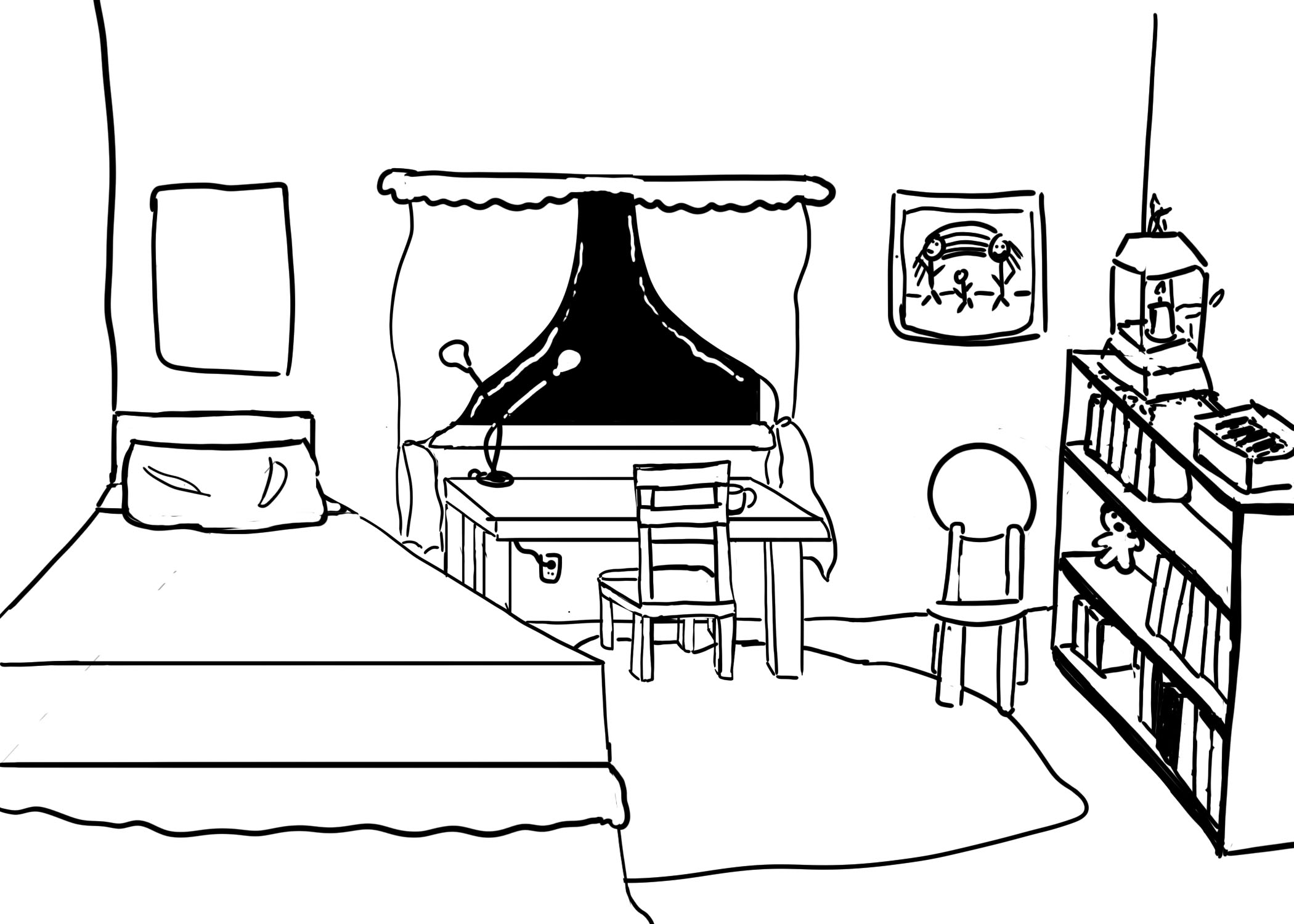
Concept drawing of the girl's childhood bedroom with a lantern and child's painting

02 / Bedroom concept

Starting the story in childhood.

The bedroom concept is based on the girl's childhood room. I wanted the film to begin in a small, childlike space filled with the kinds of belongings a young girl would have in her own bedroom.

A lantern appears on the bookshelf, quietly connecting this early setting to an object that returns later in the film. The child's painting is another story clue that will become important later.

Concept & progress boards

From reference to atmosphere.

These boards map the film's visual direction through mood, color, lighting, story symbolism, and the transformation from early reference to final concept.

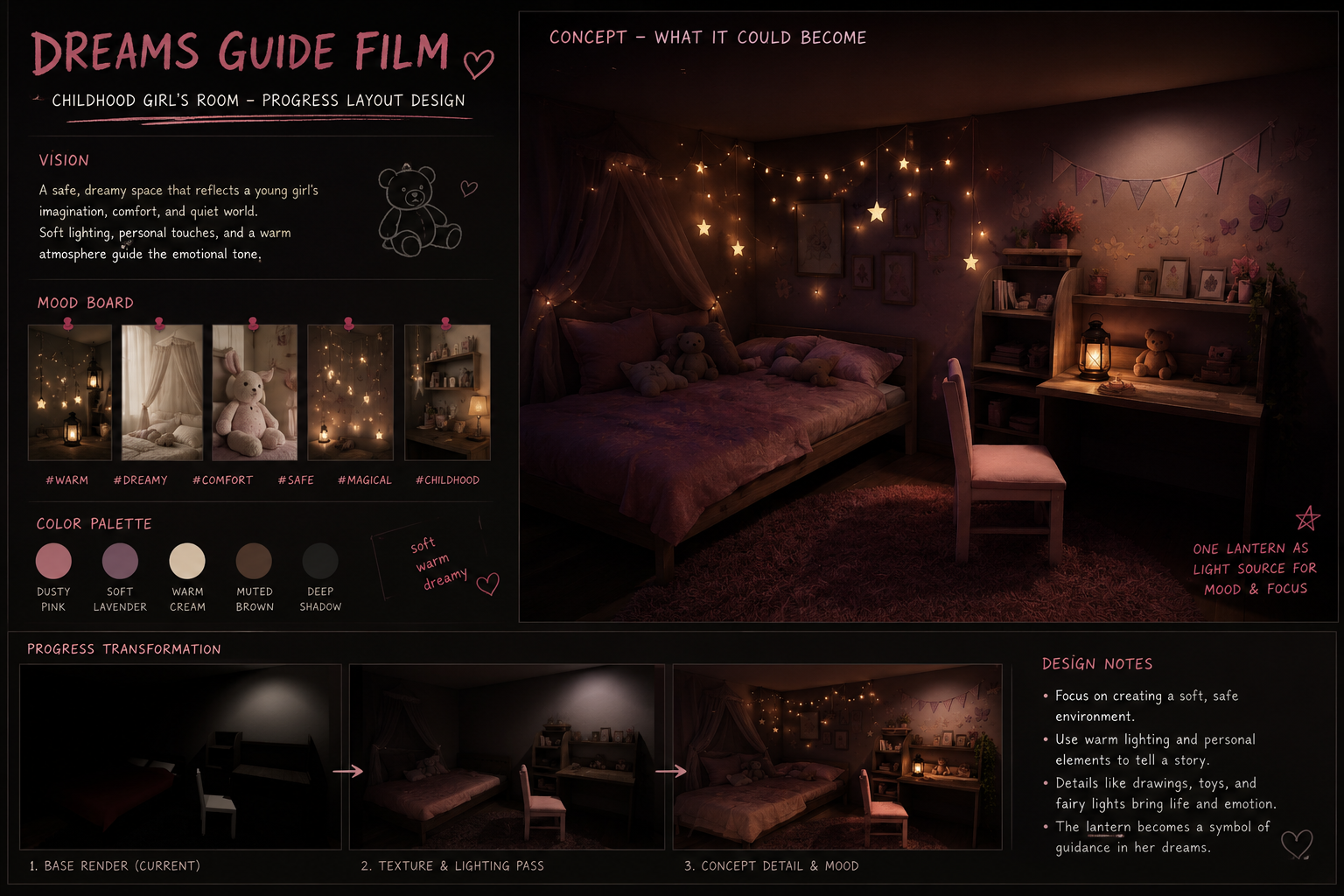
Childhood bedroom concept and progress board with mood references, color palette, and lighting developmentOpen full image

Environment concept · AI-generated with ChatGPT

The childhood bedroom

A warm, safe starting point filled with personal details, soft light, and the lantern that becomes a symbol of guidance. This concept image was generated with ChatGPT and used as a visual reference.

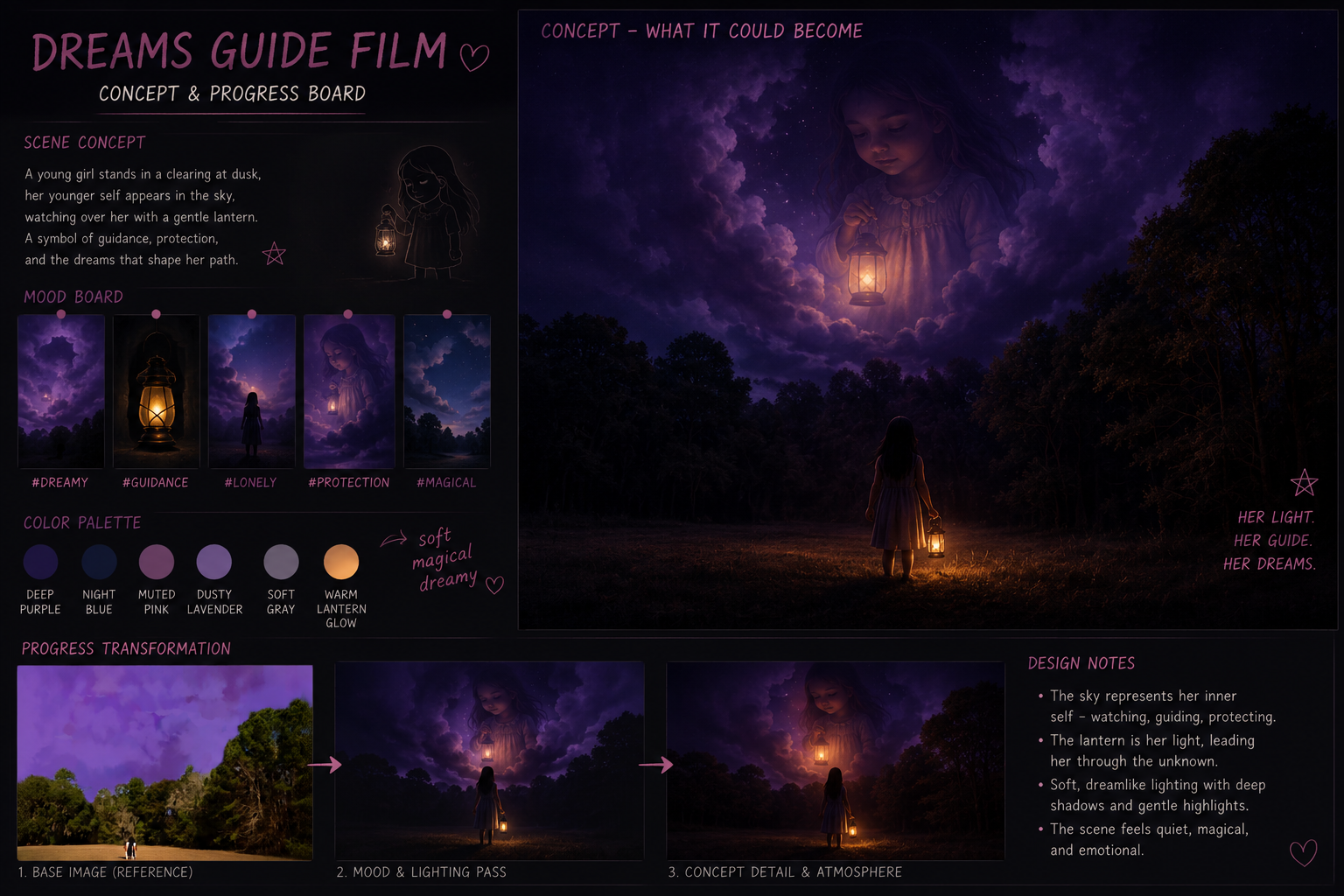
Purple-sky lantern scene concept board with mood references and progress transformationOpen full image

Scene concept · AI-generated with ChatGPT

Her light, her guide, her dreams

A quiet clearing where the lantern connects the girl to her younger self and the dreams shaping her path. This concept image was generated with ChatGPT and used as a visual reference.

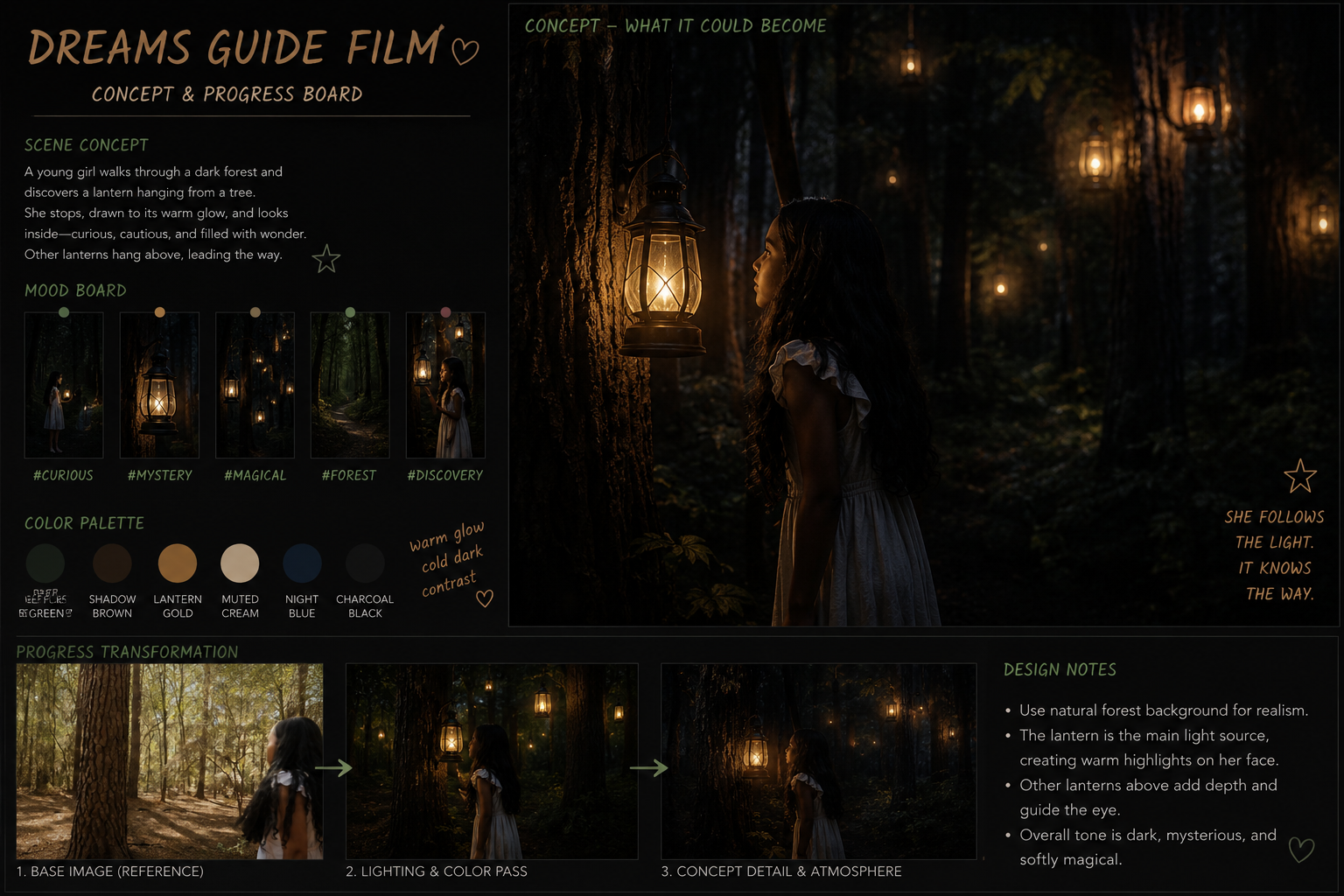
Dark forest lantern scene concept board with color studies and lighting progressionOpen full image

Scene concept · AI-generated with ChatGPT

Following the lanterns

Warm lantern light cuts through a cold forest, pulling the character forward with curiosity, caution, and wonder. This concept image was generated with ChatGPT and used as a visual reference.

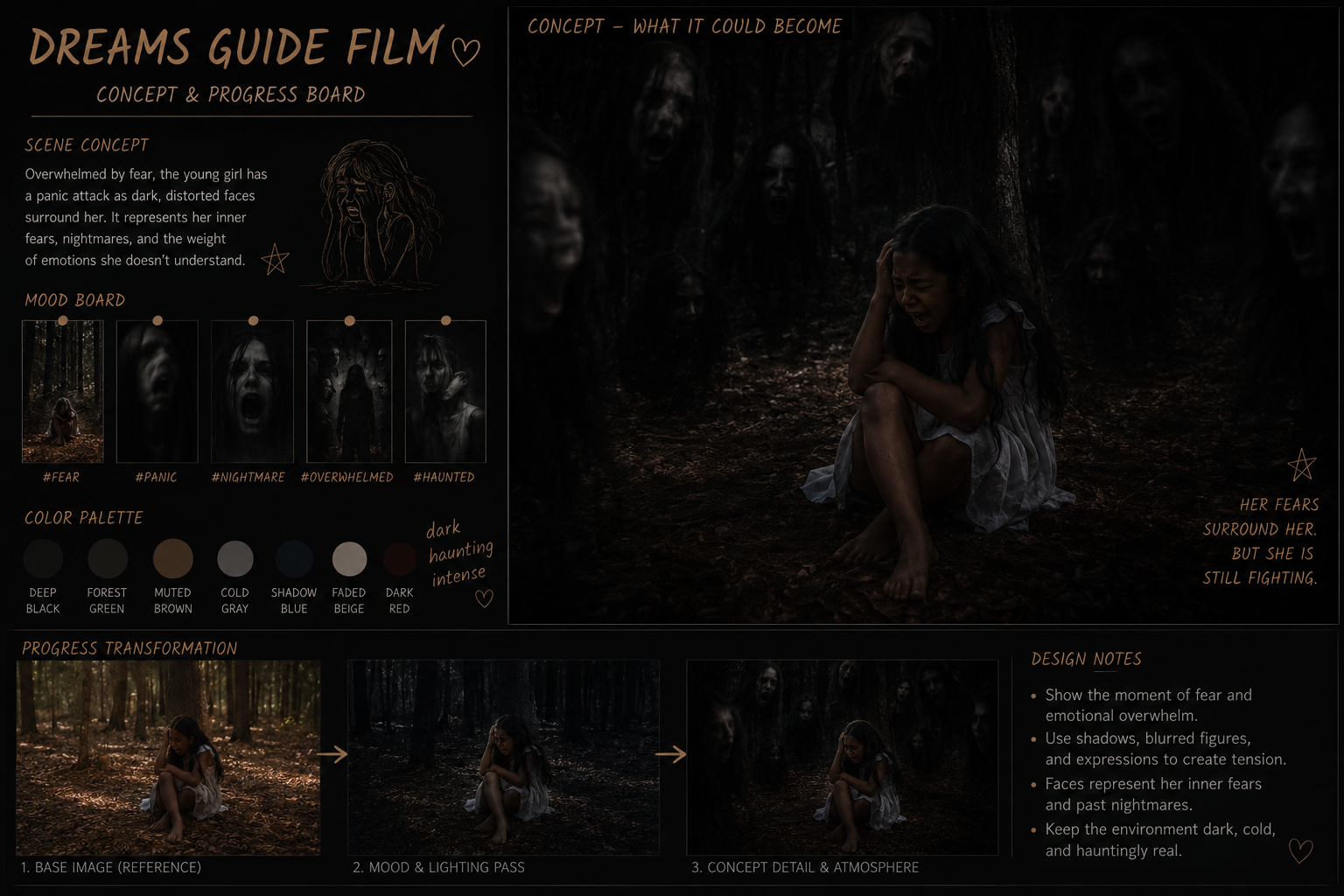
Nightmare forest concept board showing distorted faces surrounding a frightened girlOpen full image

Emotional concept · AI-generated with ChatGPT

Surrounded by fear

Shadows, distorted faces, and a dark forest turn the character's panic into a visible, haunting environment. This concept image was generated with ChatGPT and used as a visual reference.

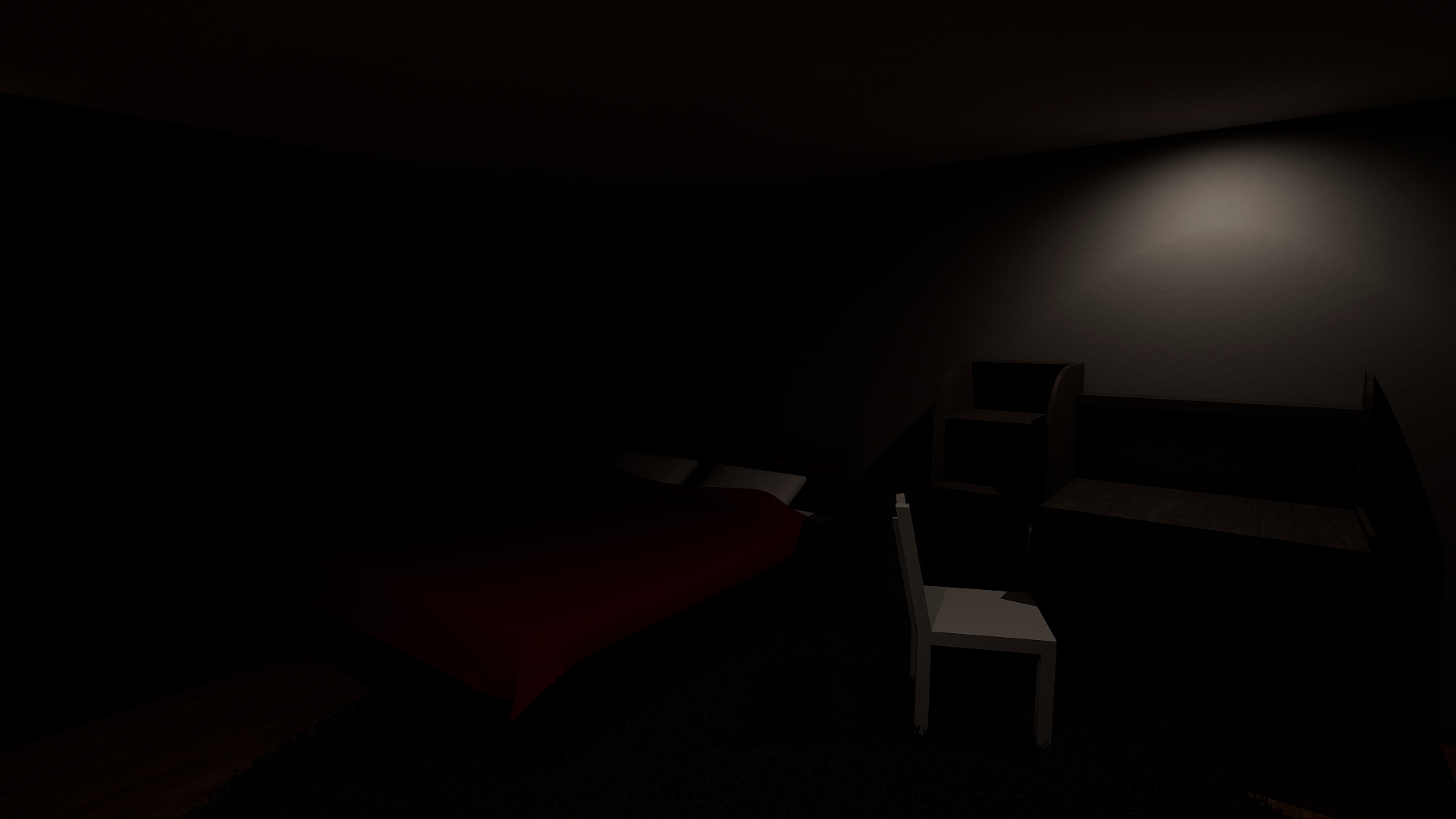
Early dark 3D render of the childhood bedroom environmentOpen full image

Early render

Bedroom lighting blockout

The base environment before the texture, detail, color, and atmosphere passes.

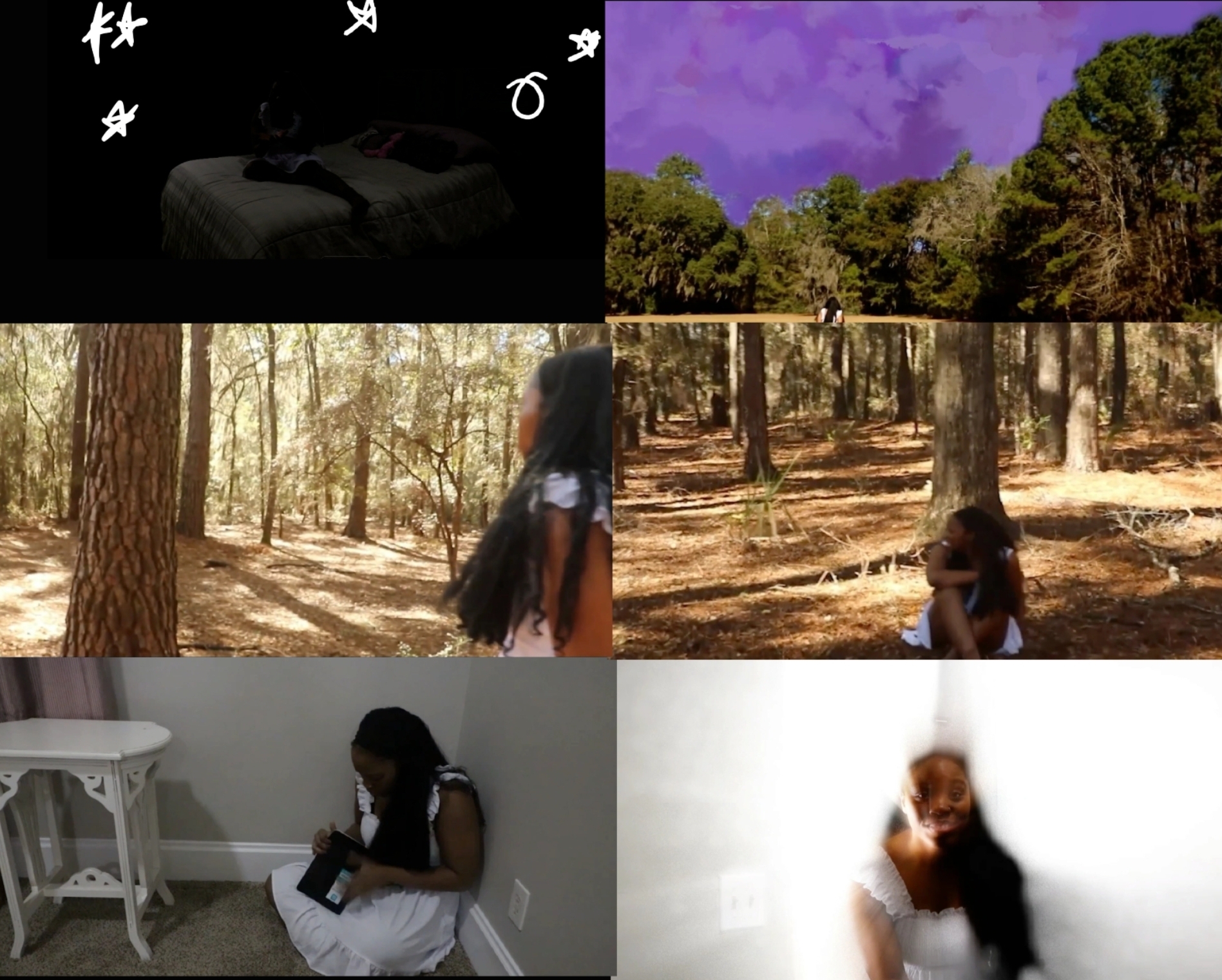
Collage of early filmed shots in the bedroom, forest, field, and dream transitionOpen full image

Filmed references

Testing the dream on camera

Early plates and shot experiments used to explore locations, performance, framing, and transitions.

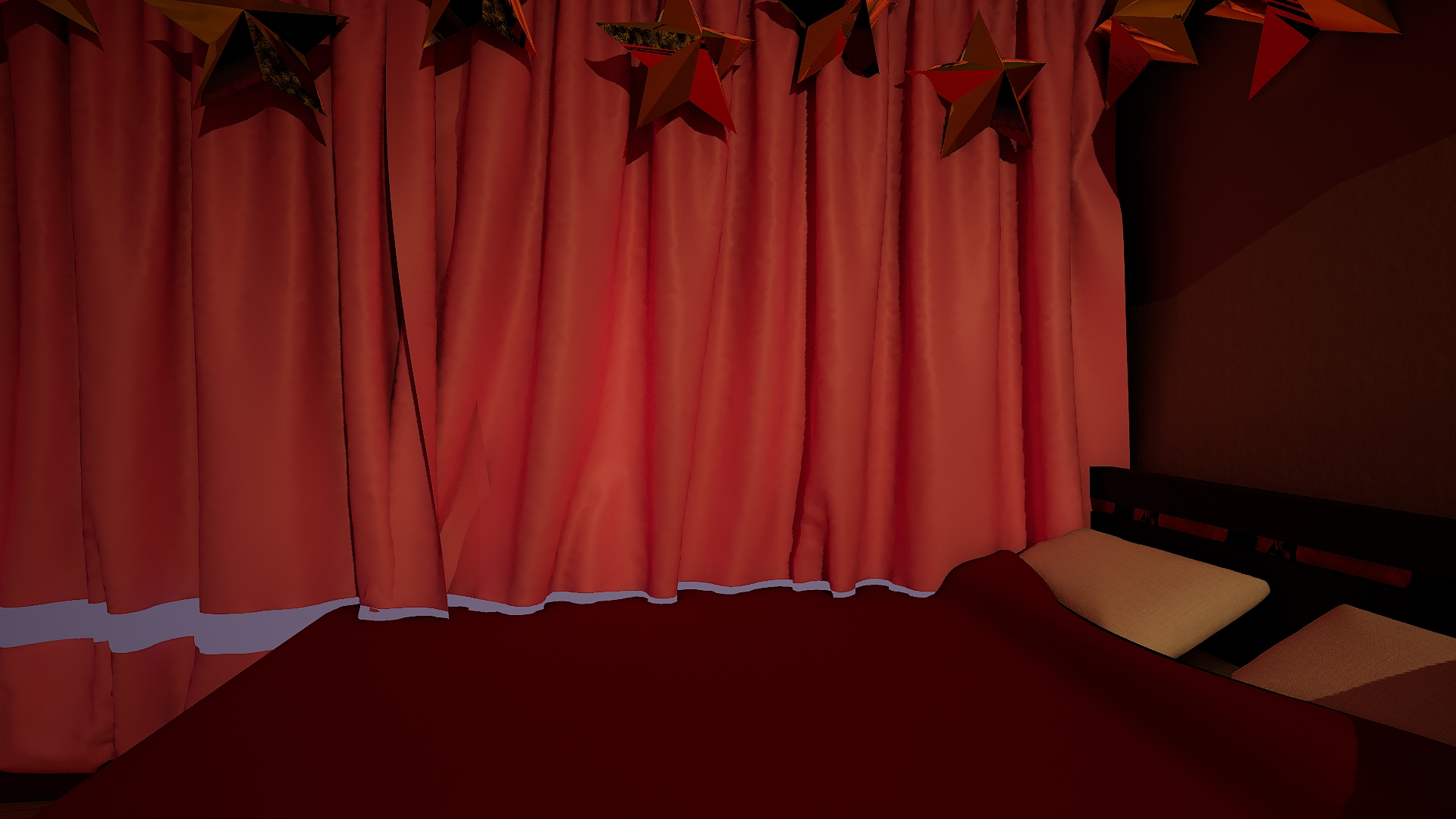
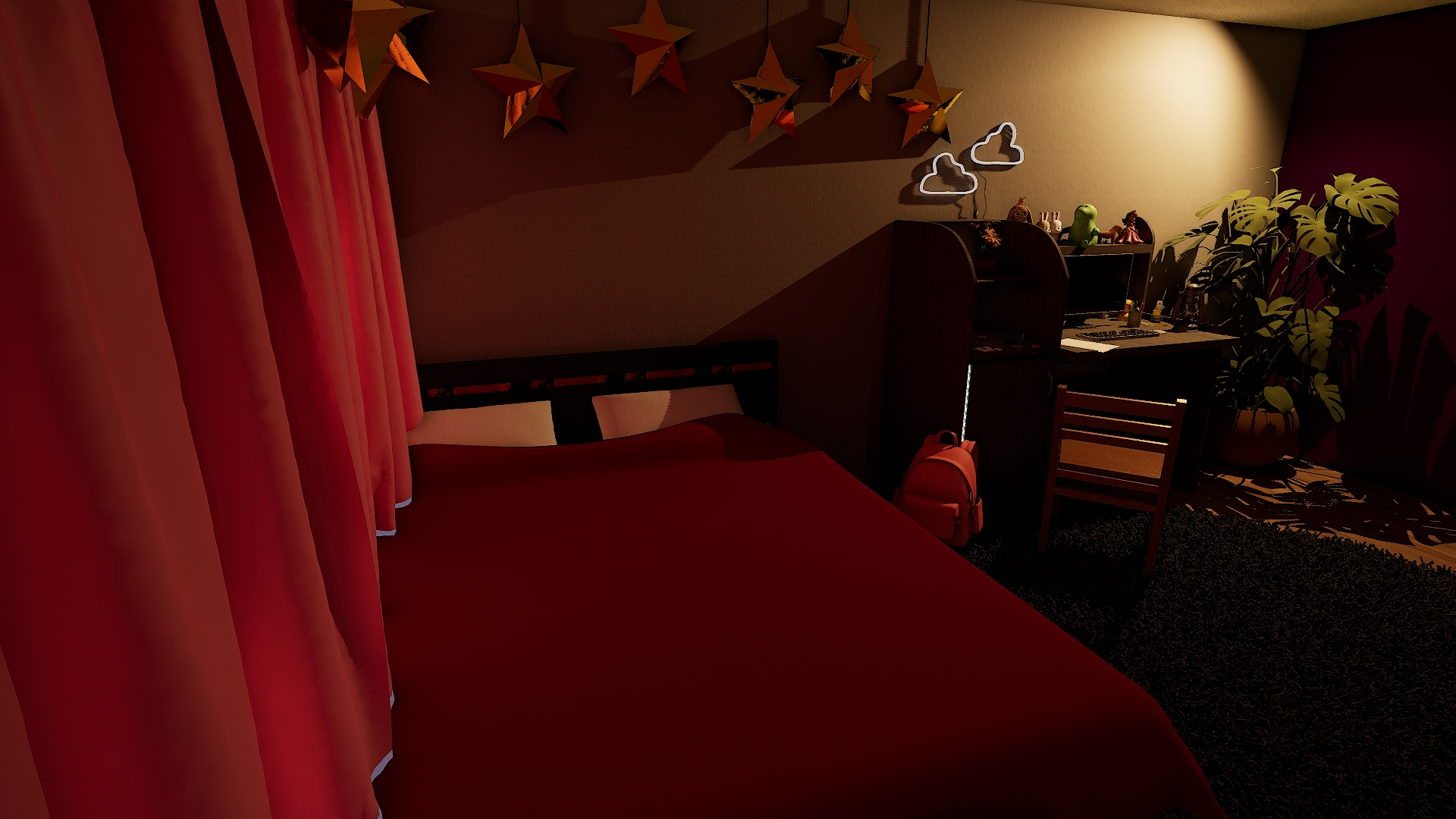
Final red-curtain bedroom environment

Environment design

From a real room to a dream space.

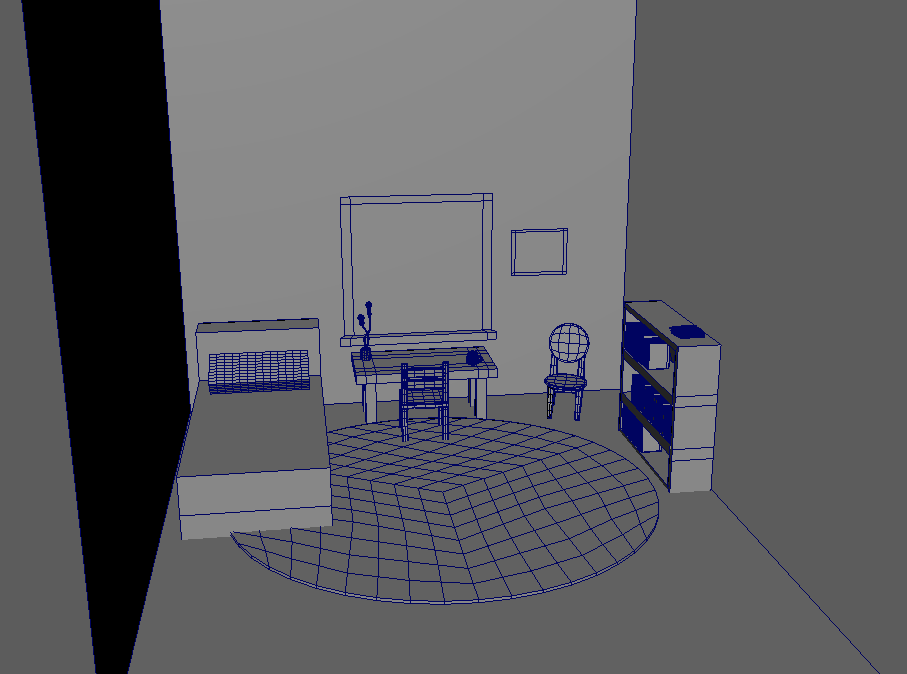
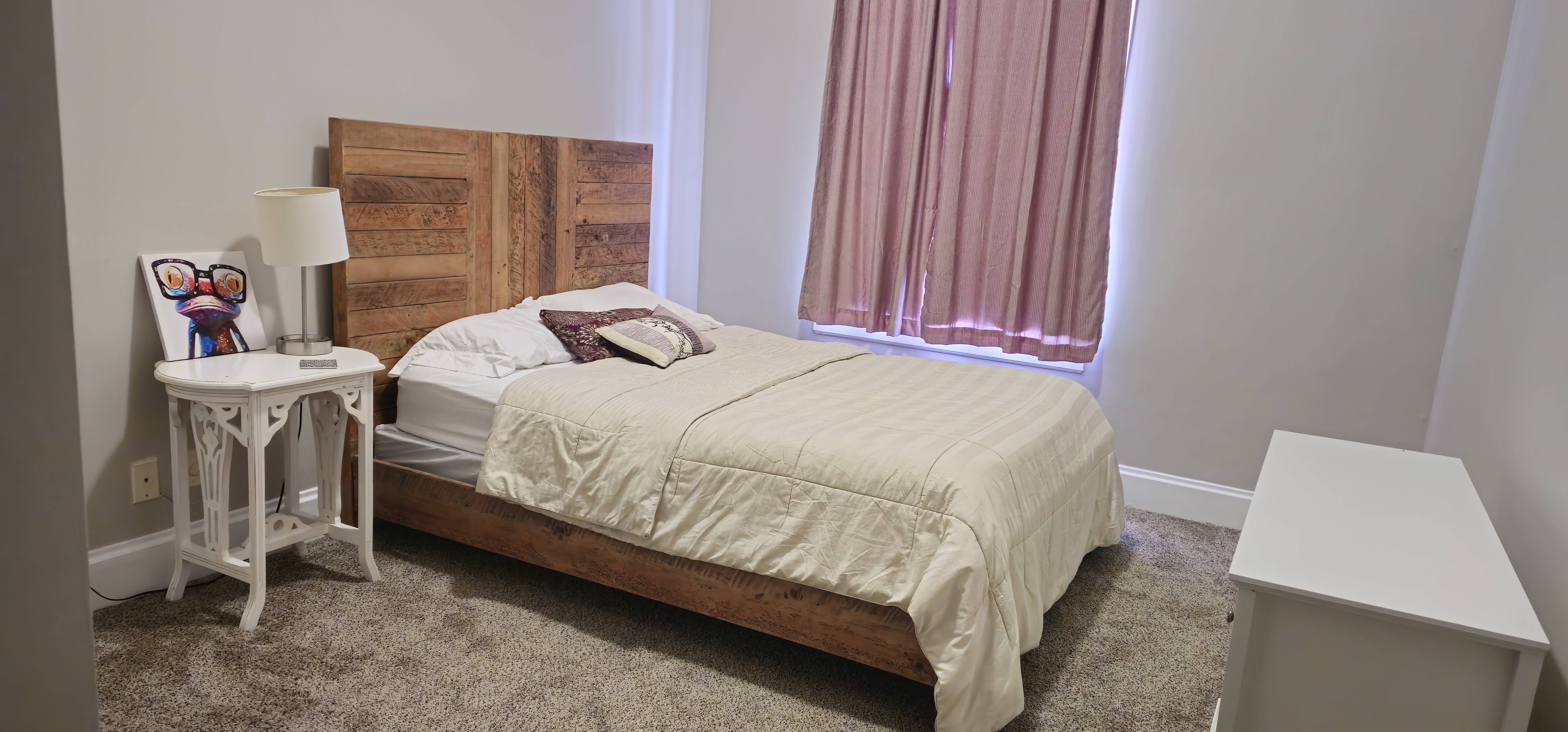
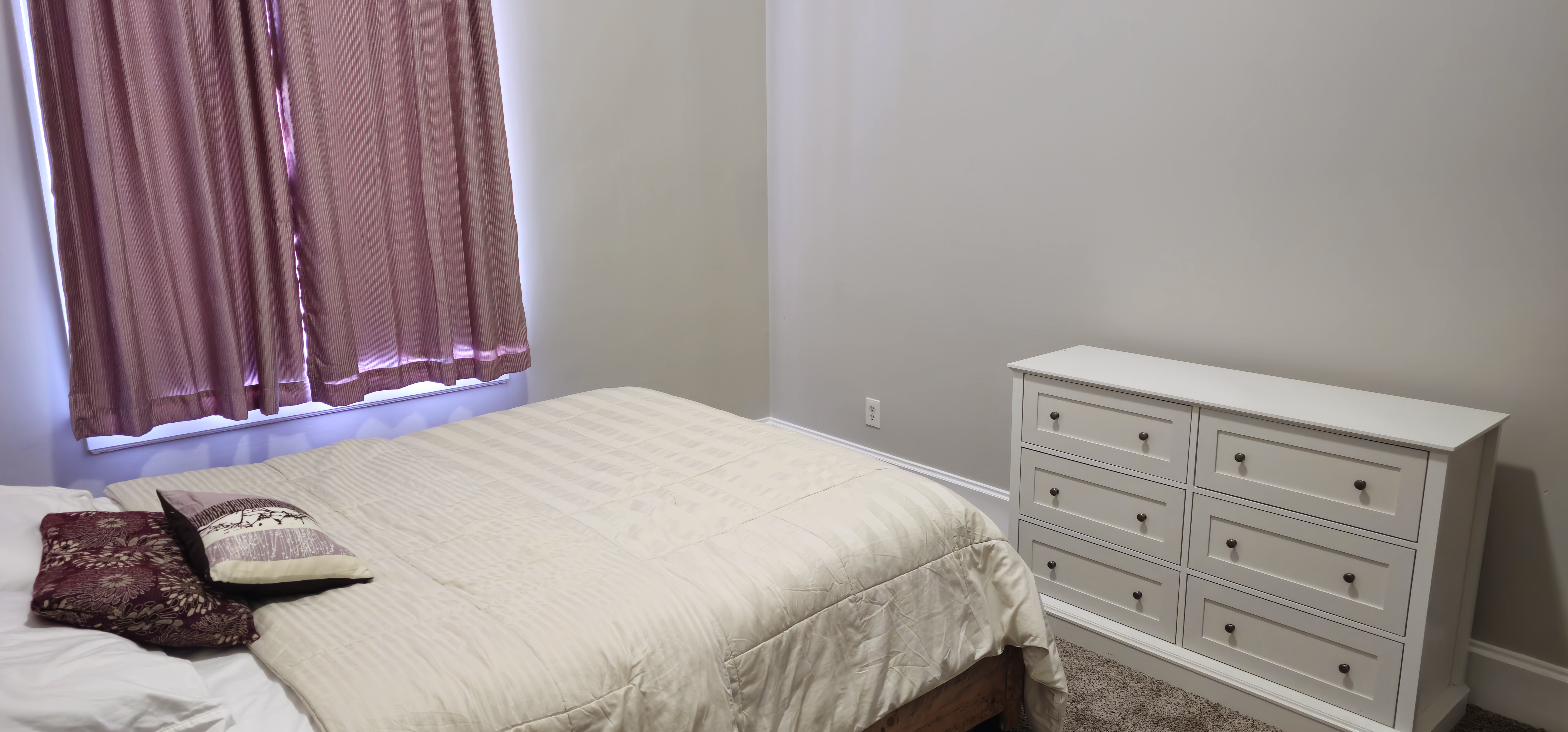
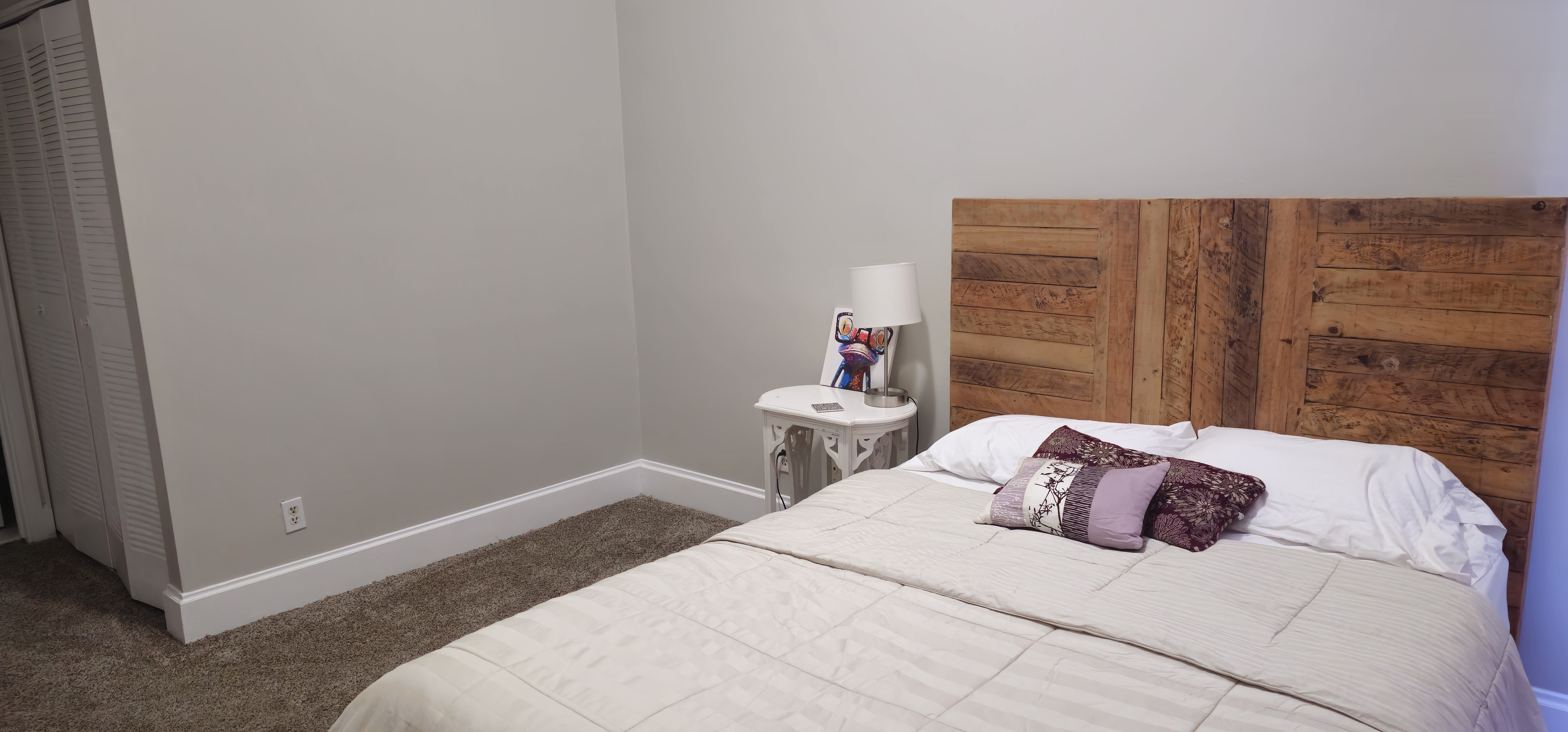
Reference photography and a hand-drawn layout established the room. The blockout translated its proportions into 3D, while deep reds, oversized curtains, stars, and stylized lighting transformed the familiar bedroom into an unstable dream.

Continue exploring

More work, more worlds.

Explore visual effects →